What plaque is
Plaque is a soft, sticky film of bacteria that forms on teeth and along the gumline. It builds up every day, especially after meals and snacks. Brushing and flossing help remove plaque before it causes problems.
If plaque is left around the teeth, it may contribute to decay, gum inflammation and bad breath. Plaque can be difficult to see, which is why consistent home care and routine dental visits matter.
What calculus is
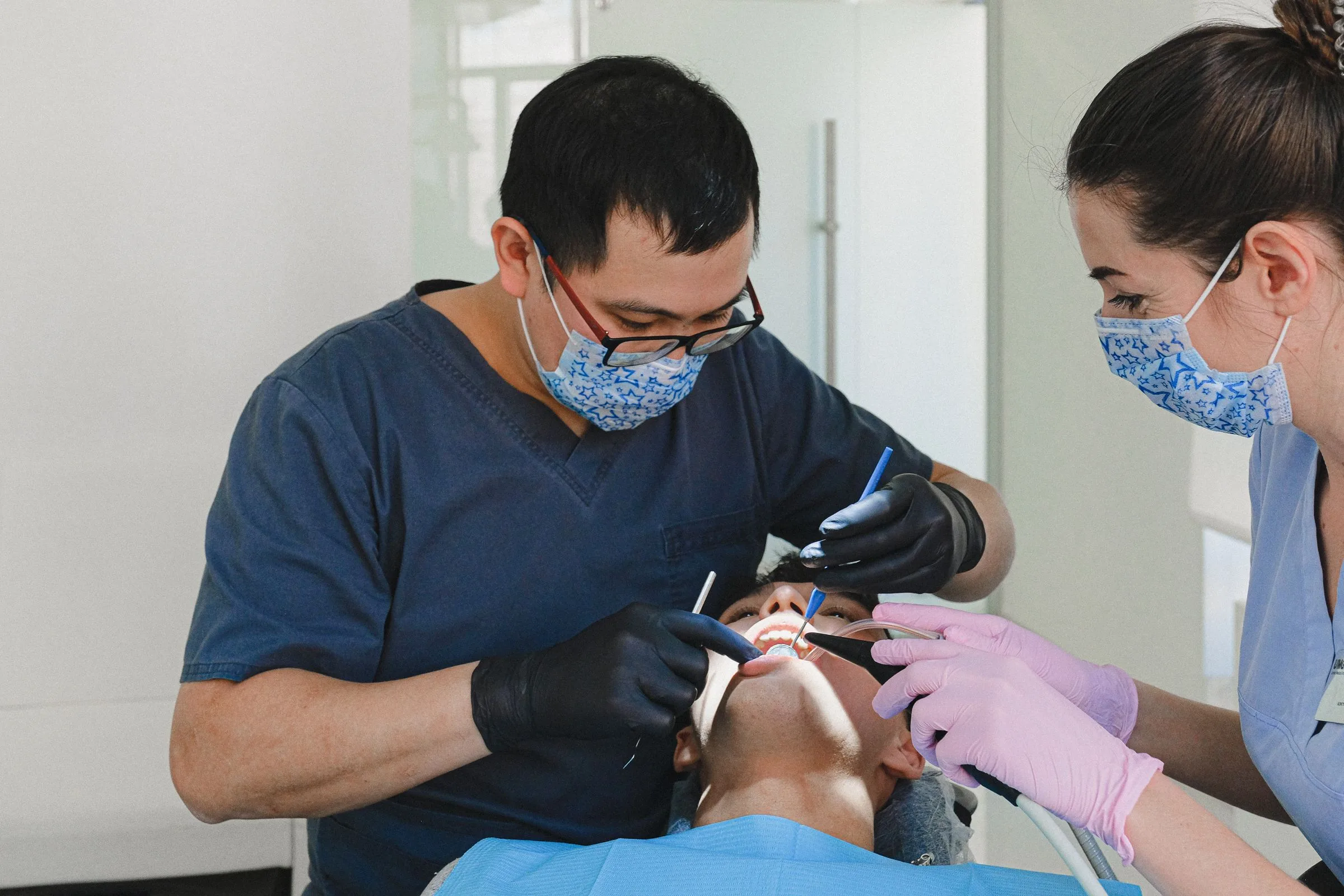
Calculus, sometimes called tartar, is plaque that has hardened on the teeth. Once it has hardened, it usually cannot be removed with a toothbrush or floss. A dentist or oral health professional removes calculus during a scale and clean using professional instruments.
Calculus often collects behind the lower front teeth and around the gumline. It can create rough areas where more plaque gathers, increasing the chance of gum irritation.
Why scale and clean appointments matter
A scale and clean can remove calculus and plaque deposits that home brushing cannot manage. Fluoride may be recommended after cleaning for some patients to support enamel and reduce decay risk.
The timing of your check-up and clean depends on gum health, decay risk, medical history and home care. Your dentist can recommend an interval that suits your needs rather than using the same timing for everyone.
How to reduce build-up at home
Brush twice daily with fluoride toothpaste, clean between teeth, reduce frequent sugary snacks and drink water. If you notice bleeding gums, persistent bad breath or visible hard deposits, book an appointment for assessment.
Our Blackburn North clinic helps families from Blackburn, Box Hill, Nunawading, Forest Hill and Mitcham with preventive care and practical oral hygiene advice.
General information only
This article provides general information only and does not replace a dental examination. If you have symptoms or concerns, your dentist can assess your mouth, discuss risks and alternatives, and recommend care based on your individual situation.