Signs of teeth grinding
Teeth grinding, also called bruxism, can happen during sleep or while awake. Signs may include worn tooth edges, jaw discomfort, headaches on waking, sensitive teeth, chipped enamel, cracked fillings or a partner noticing grinding noises.
Some patients clench rather than grind, so there may be no sound. A dental check-up can identify wear patterns and discuss possible contributing factors.
Why bruxism matters
Grinding can place repeated force on teeth and restorations. Over time, this may contribute to tooth wear, cracks, broken fillings, jaw muscle tenderness or discomfort around the jaw joints.
Bruxism can be linked with stress, sleep, bite factors, habits or other health considerations. Treatment planning depends on assessment rather than assuming one cause.
When a night guard may be considered
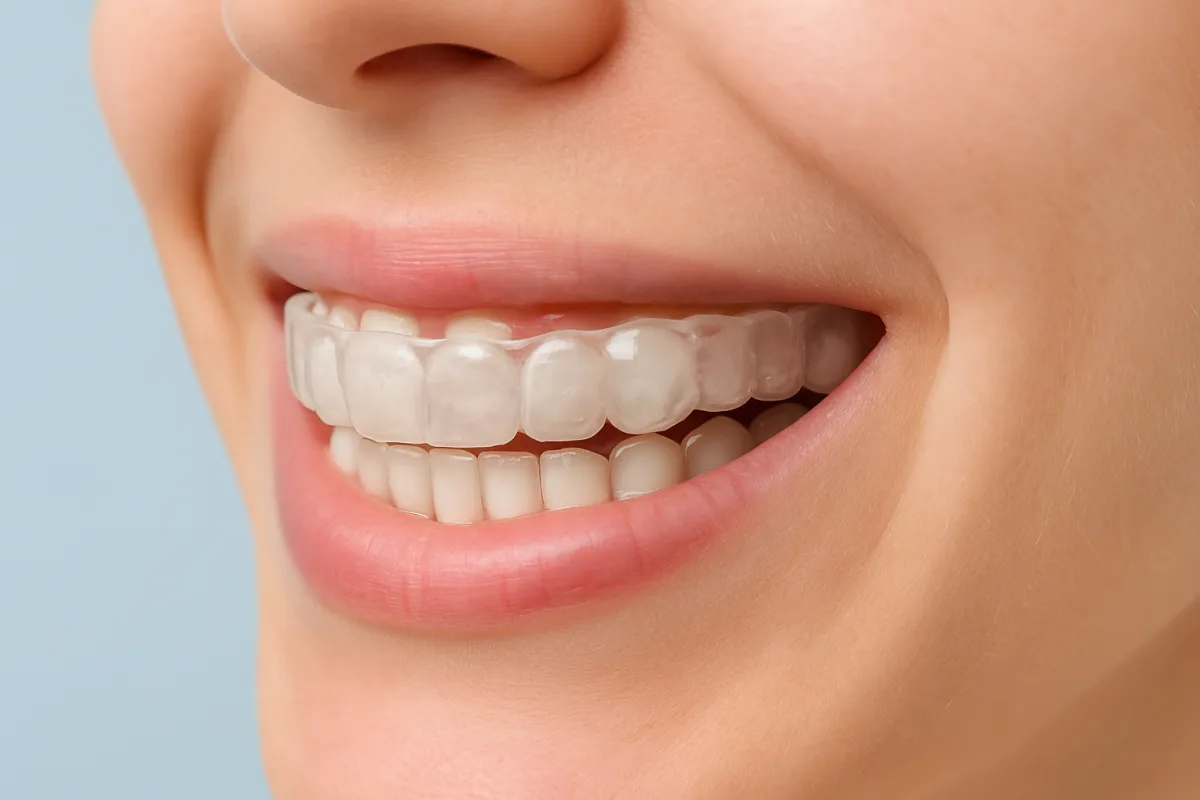
A custom night guard or dental splint may be recommended to help protect teeth from grinding forces where suitable. It does not stop every cause of grinding, but it can reduce direct tooth-to-tooth contact while sleeping.
Your dentist can discuss the type of appliance, how it fits, how to clean it and what symptoms should be reviewed.
When to call us
Book an appointment if you notice worn teeth, jaw discomfort, morning soreness, chipped teeth, broken restorations or recurring headaches that may need broader assessment. If symptoms suggest a medical or sleep concern, referral or medical review may be appropriate.
Relax Dental & Facial Care provides night guard and splint appointments in Blackburn North for local patients from surrounding suburbs.
General information only
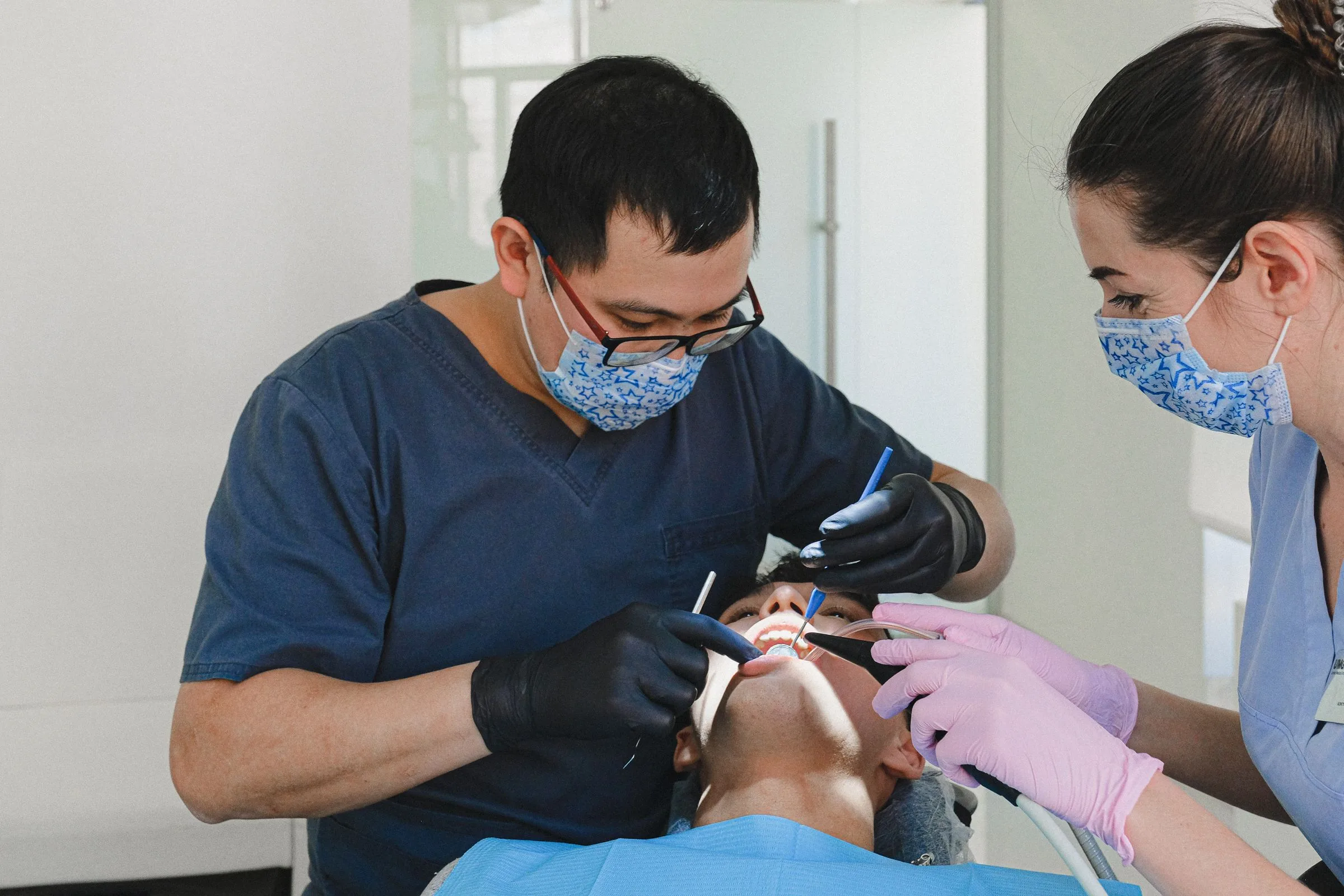
This article provides general information only and does not replace a dental examination. If you have symptoms or concerns, your dentist can assess your mouth, discuss risks and alternatives, and recommend care based on your individual situation.