Why mouth breathing can affect oral health
Mouth breathing can reduce saliva contact with the teeth and gums. Saliva helps protect the mouth, so dryness may contribute to discomfort, bad breath, gum irritation or a higher risk of decay in some children.
Mouth breathing can also be associated with sleep, allergy, airway or habit-related issues. A dental visit cannot diagnose every cause, but it can identify oral signs and guide families toward appropriate care or referral when needed.
Signs parents can watch for
Parents may notice lips often apart, dry lips, snoring, restless sleep, bad breath, frequent thirst at night, gum redness or changes in tooth position. Some children also breathe through the mouth during the day even when they are not unwell.
These signs do not prove a specific diagnosis. They are reasons to raise the topic with your dentist, GP or another appropriate health professional.
Dental checks for children who mouth breathe
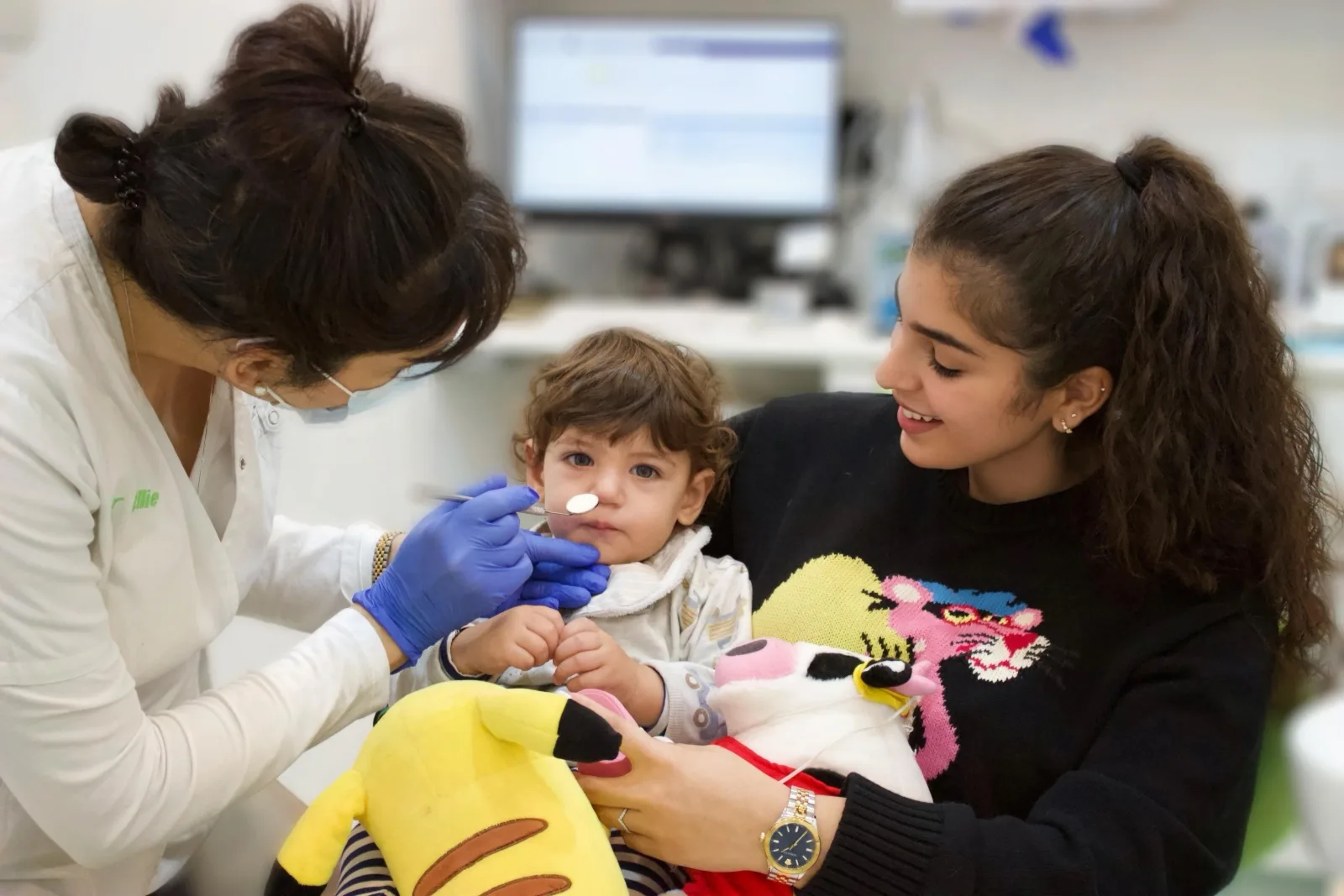
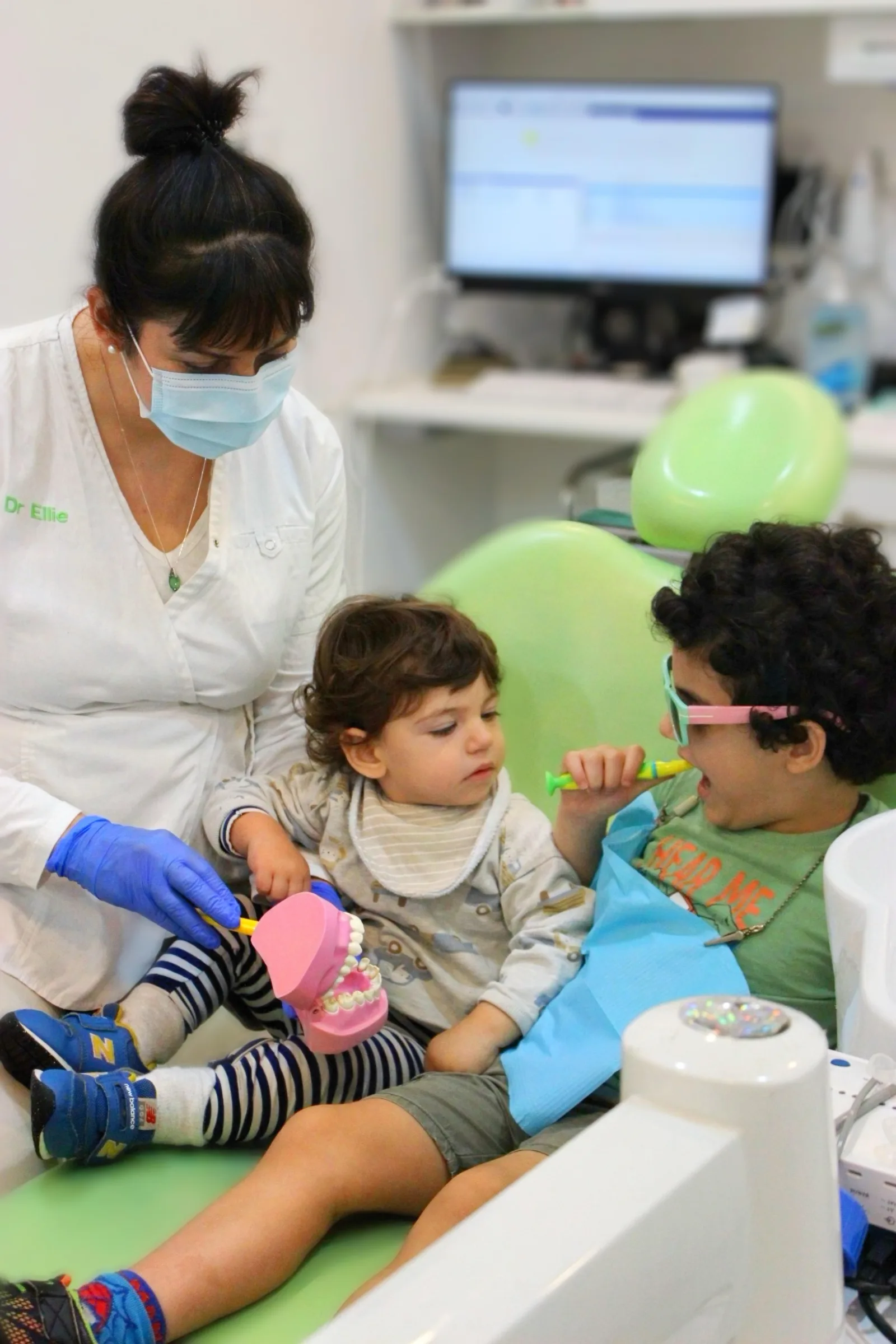
During a children’s dental check-up, your dentist can assess tooth surfaces, gum condition, bite development, enamel changes and oral hygiene. Fluoride advice, brushing support or preventive visits may be recommended based on risk.
If airway, sleep or medical concerns are suspected, the dentist may suggest speaking with your GP or another clinician for further assessment.
Supporting your child at home
Keep brushing calm and consistent, use fluoride toothpaste suitable for your child’s age and encourage water after meals. If your child wakes with a dry mouth, snores often or seems tired despite sleep, seek professional advice.
Relax Dental & Facial Care provides gentle children’s dental visits in Blackburn North for families across the surrounding eastern suburbs.
General information only
This article provides general information only and does not replace a dental examination. If you have symptoms or concerns, your dentist can assess your mouth, discuss risks and alternatives, and recommend care based on your individual situation.