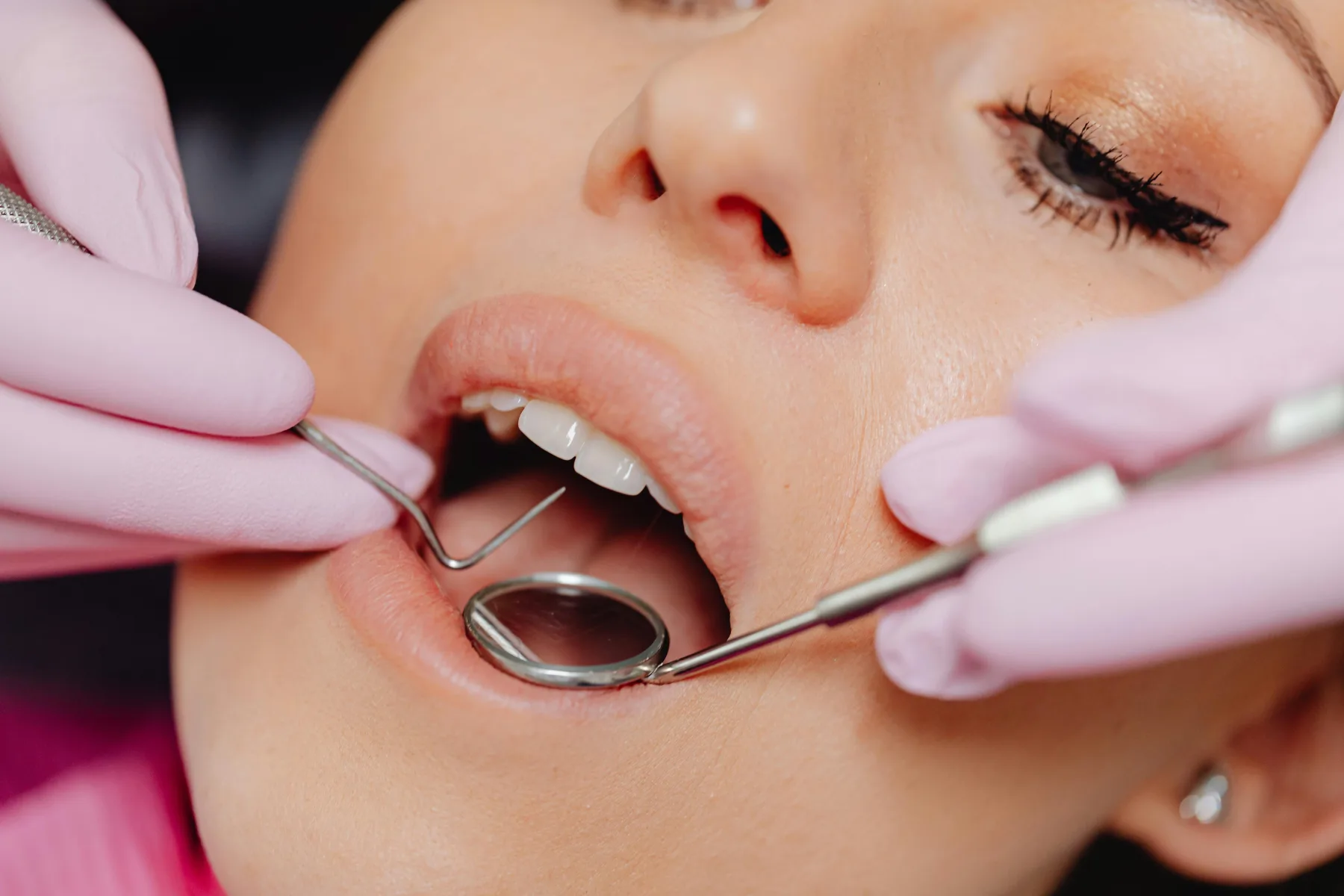

Why intermittent toothache still matters
A toothache that comes and goes can be easy to ignore, especially if the pain disappears for hours or days. However, intermittent pain may still be linked to decay, a cracked tooth, gum inflammation, sinus-related pressure, bite stress or early nerve irritation.
Pain patterns can change as a dental problem progresses. A tooth that only hurts with cold, sweet foods or chewing may later become more constant. Early assessment can help identify the cause before symptoms become more difficult to manage.
Clues your dentist will ask about
Your dentist may ask whether the pain is sharp, dull, throbbing, temperature-related, chewing-related or worse at night. They may also ask whether the tooth has a large filling, recent dental work, visible crack, swelling or bad taste.
These details help guide the examination, but they do not replace it. Dental X-rays or tests may be recommended depending on what your dentist finds.
When to call us
Book promptly if toothache is recurring, worsening, waking you at night, triggered by biting, associated with swelling or if you have a broken tooth. Call urgently if you have facial swelling, fever, difficulty swallowing or rapidly worsening symptoms.
Relax Dental & Facial Care sees patients from Blackburn North, Blackburn, Box Hill, Nunawading, Forest Hill and Mitcham for toothache assessment and emergency dental concerns.
What treatment might involve
Treatment depends on the cause. Options may include preventive advice, a filling, repair of a cracked tooth, gum care, root canal treatment, extraction where a tooth cannot be saved, or referral where appropriate.
Your dentist should explain the diagnosis, treatment options, likely risks and alternatives before care begins.
General information only
This article provides general information only and does not replace a dental examination. If you have symptoms or concerns, your dentist can assess your mouth, discuss risks and alternatives, and recommend care based on your individual situation.